Why are there termites in my Riverside home?
Learn about the reasons termites invade Riverside homes and effective control measures.
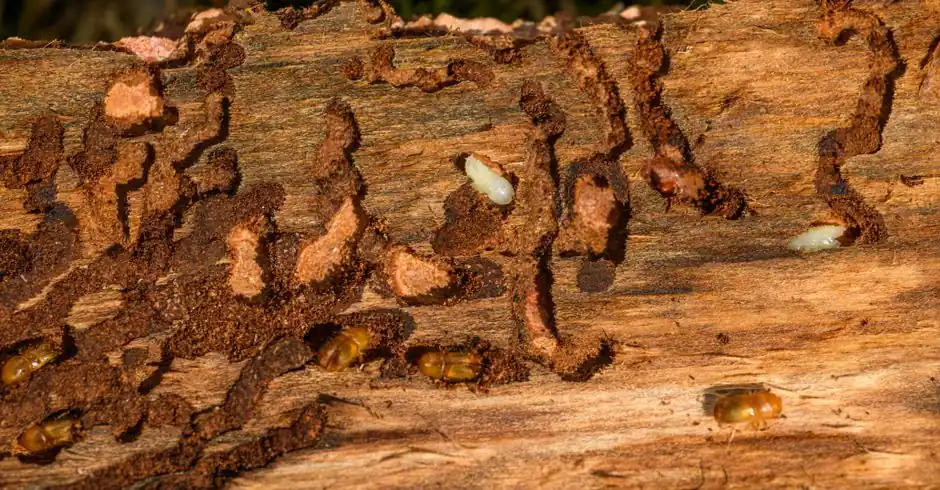
Termites invade Riverside homes primarily due to the availability of wood and moisture. Understanding why these pests are drawn to your home is critical for effective prevention and treatment.
Termite control in Riverside California is essential for maintaining the integrity of your home. This article explores the reasons for termite infestations, signs to look out for, and what steps you should take if you suspect an invasion.
Why do termites invade homes?
Termites are attracted to homes because they feed on cellulose found in wood, paper, and other materials. In Riverside, the warm climate provides ideal conditions for termites to thrive, making homes prime targets.
Common signs of termite infestation
Identifying a termite infestation early can save you significant repair costs. Look for these common signs:
- Wood damage: Hollowed-out wood is a clear indicator.
- Frass: Termite droppings resemble small pellets and can be found near infested areas.
- Swarmers: Winged termites indicate a mature colony.
- Mud tubes: These are tunnels made of soil that termites use to travel.
If you notice any of these signs, it is important to act quickly. Professional termite inspection services Riverside can help determine the extent of the infestation.
How do termites enter homes?
Termites can enter homes through tiny cracks and openings. Common entry points include:
- Foundation cracks: Even small gaps can allow termites access.
- Wood-to-soil contact: Wood structures in direct contact with the ground are at higher risk.
- Vents and plumbing: These can provide pathways for termites to infiltrate.
Regular inspections can help identify and seal these entry points before they become a problem. Many homeowners benefit from termite prevention services Riverside to safeguard their properties.
Environmental factors attracting termites
Several environmental factors contribute to termite infestations in Riverside:
- Moisture: Termites need moisture to survive, making damp areas around your home attractive.
- Wood debris: Piles of wood or mulch near your home can invite termites.
- Climate: Riverside's warm climate is ideal for termite activity.
Managing these factors can significantly reduce your risk of an infestation. Regularly remove wood debris and ensure proper drainage around your home.
What to do if you find termites
If you discover termites in your home, take immediate action:
- Contact a professional for a thorough inspection.
- Evaluate the extent of the damage and discuss treatment options.
- Consider preventive measures to avoid future infestations.
Effective termite treatment services Riverside can eliminate existing colonies and protect your home from future threats.
Common mistakes homeowners make
Homeowners often make mistakes that can exacerbate termite problems:
- Ignoring signs of infestation: Early detection is key to minimizing damage.
- Neglecting preventive measures: Regular maintenance can prevent infestations.
- Improperly storing firewood: Keep firewood elevated and away from the home.
A proactive approach can save homeowners significant costs in repairs and treatments.
When to call a professional
It's crucial to call a professional when you notice signs of termites or suspect an infestation. Professionals can provide accurate inspections and effective treatments tailored to your situation. Snyder's Pest Solutions offers comprehensive services to handle termite issues in Riverside.
Frequently Asked Questions
1. How quickly can termites damage my home? Termites can cause significant damage within six months to a year if left untreated. Early detection is essential.
2. What are the costs associated with termite treatment? In Riverside, termite treatment typically ranges from $500 to $2,500, depending on the severity of the infestation and the treatment method used.
3. How often should I have my home inspected for termites? It's advisable to have your home inspected at least once a year, especially in areas prone to termite activity.
4. Can I treat termites myself? While DIY treatments are available, they often fail to address the root of the problem. Professional help is recommended for effective eradication.
5. What is the best way to prevent termites? Regular maintenance, moisture control, and professional inspections are the best ways to prevent termite infestations.